
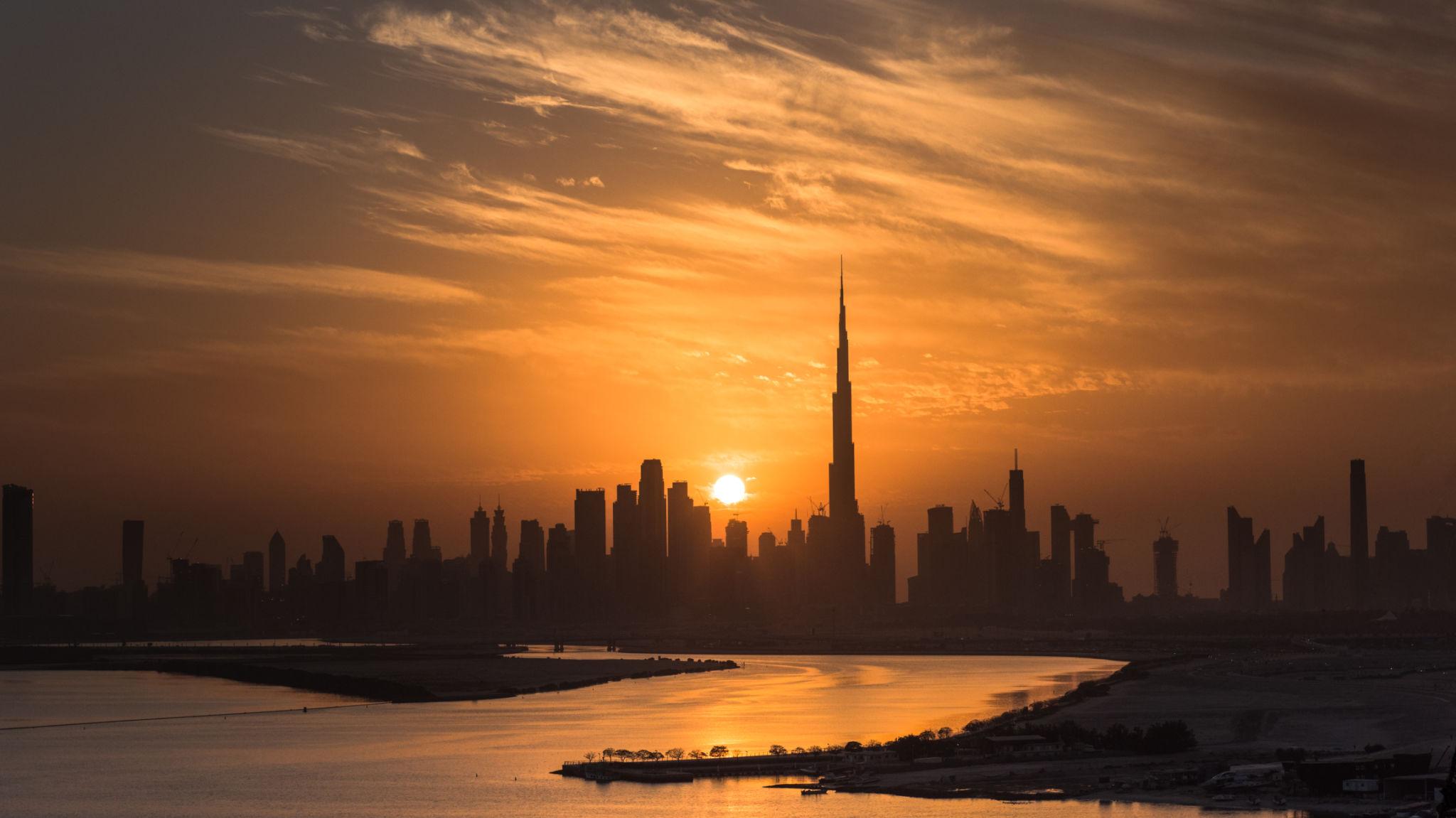
Dubai’s Real Estate Market: Resilient and Poised for Continued Growth Despite Regional Tensions
Dubai, known globally as a dynamic hub for business, tourism and real estate investment, has recently found itself tested by the ongoing conflict triggered by Iranian strikes on United Arab Emirates territory. While the situation has drawn international attention and momentary disruption, the emirate’s property market remains fundamentally strong — underpinned by robust demand and long-term investor confidence.
Stability Amid Structural Strength
The recent Iran-UAE conflict has been widely covered in the media, with reports of missile and drone activity over the UAE and temporary interruptions to daily life. However, key facts illustrate that Dubai’s core infrastructure and economic engine continue to function. The UAE stock markets have reopened after a short halt, demonstrating regulatory coordination and readiness to protect investor interests.
Crucially for real estate investors, many expatriates and global capital remain committed to their lives and portfolios in Dubai, citing the city’s longstanding appeal as a tax-efficient, high-quality destination for residence and investment.
Supply, Demand, and Price Stability
One of the most important factors shaping Dubai’s real estate cycles is the balance between supply and demand. New project launches are closely monitored, and regulatory frameworks such as escrow accounts and phased development approvals help reduce oversupply risk.
At the same time, population growth, business expansion, and long-term residency programs continue to support demand across residential and commercial segments. This balance contributes to improved price stability compared to earlier market cycles and creates a more predictable environment for investors.
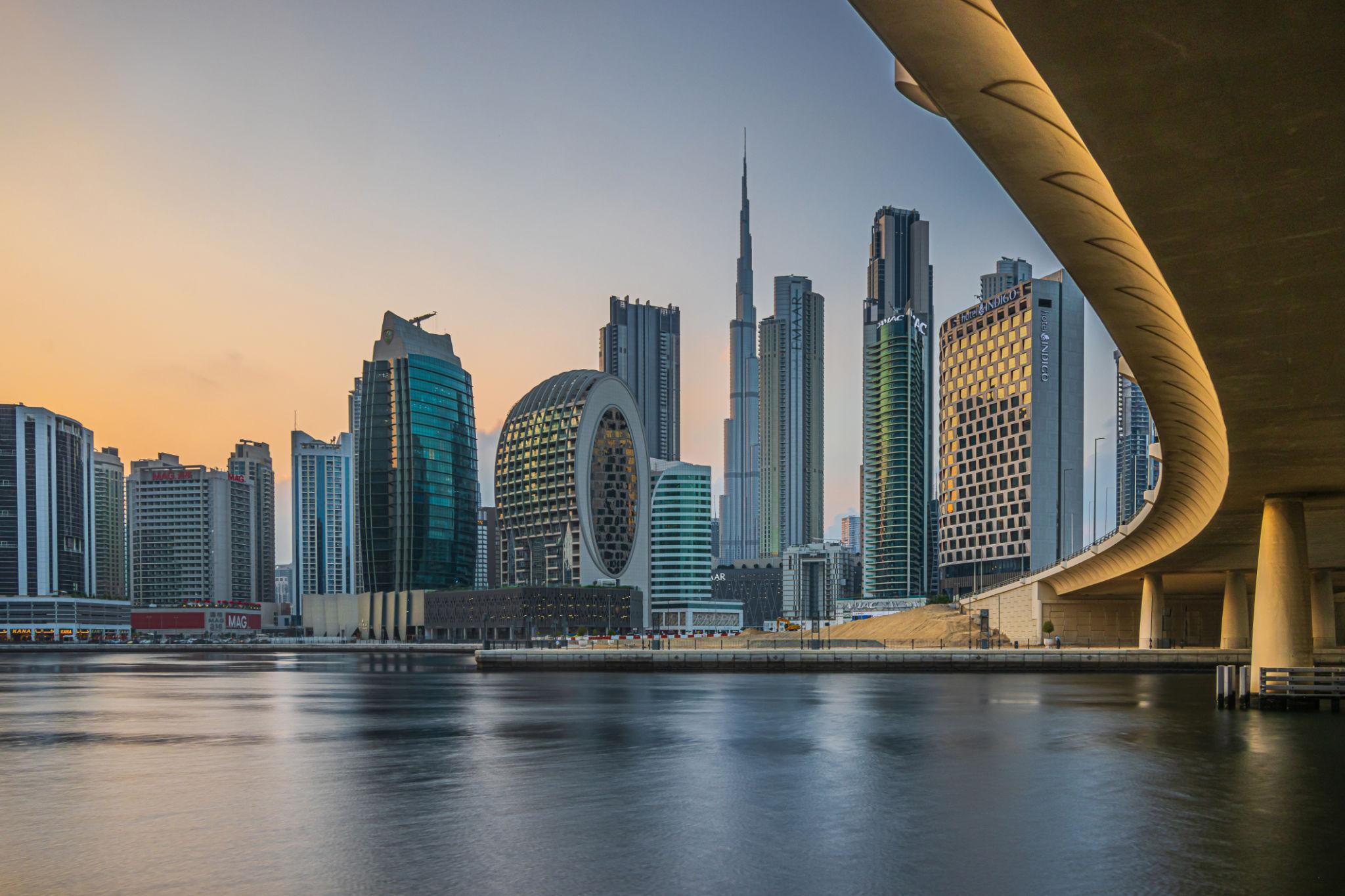
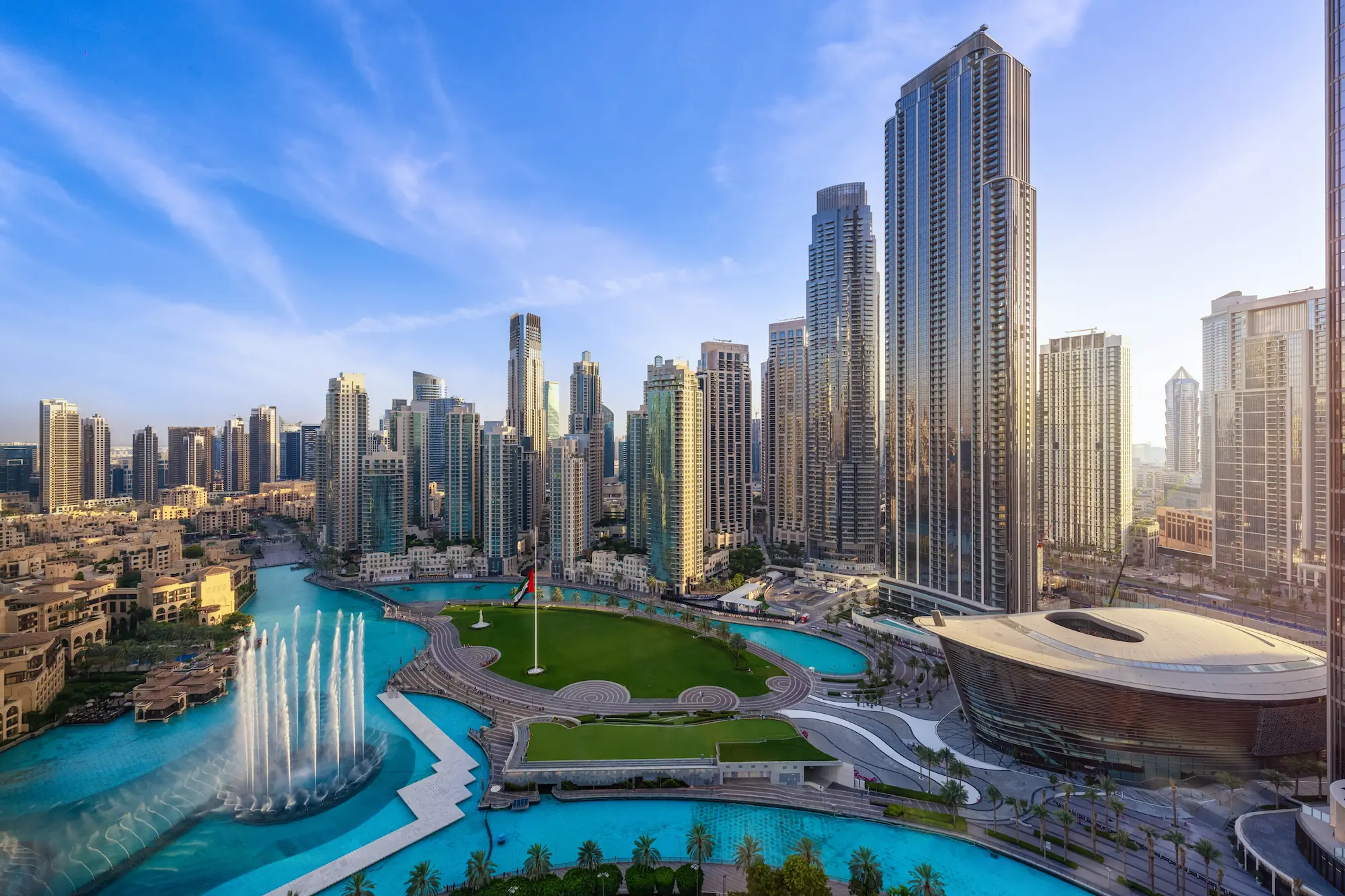
Fundamentals of the Property Market Still Intact
Despite short-term headlines around regional tensions, Dubai’s property market entered 2026 on a trajectory of strong performance. Transaction volumes have been elevated in recent years, supported by diverse international interest and a regulatory environment that encourages foreign ownership.
Even in the face of geopolitical risk, property market insiders point out several reasons why investment remains positive:
Global investors still see Dubai as a long-term safe haven for capital — especially at a time of uncertainty elsewhere.
Luxury and prime property segments, in particular, continue to draw interest from high-net-worth individuals who take a long-term view.
Construction activity has not halted, and developers are continuing to advance projects.
Rental Income as a Cycle Anchor
Risk Management in a Growing Market
As Dubai’s real estate market matures, risk management becomes just as important as return potential. Diversification across locations, asset types, and investment strategies helps reduce exposure to short-term volatility. Investors increasingly favor assets with proven demand drivers rather than speculative opportunities reliant on rapid price growth.
Clear exit planning, conservative leverage, and professional advisory support further enhance investment resilience across market cycles.
A Market Rewarding Long-Term Perspective
Dubai’s real estate sector now rewards patience, research, and strategic planning. The combination of regulatory oversight, economic diversification, and global investor participation has shifted the market toward sustainable growth rather than short-lived surges.
For investors willing to understand market cycles and align their strategies accordingly, Dubai continues to offer a compelling environment for wealth preservation and long-term capital growth.
Conclusion
Dubai real estate investment is no longer defined by timing the market perfectly, but by understanding its cycles and fundamentals. Investors who focus on data, demand sustainability, and long-term value creation are best positioned to navigate fluctuations and capitalize on the city’s continued evolution as a global property investment destination.
Fundamentals of the Property Market Still Intact
Despite short-term headlines around regional tensions, Dubai’s property market entered 2026 on a trajectory of strong performance. Transaction volumes have been elevated in recent years, supported by diverse international interest and a regulatory environment that encourages foreign ownership.
Even in the face of geopolitical risk, property market insiders point out several reasons why investment remains positive:
Global investors still see Dubai as a long-term safe haven for capital — especially at a time of uncertainty elsewhere.
Luxury and prime property segments, in particular, continue to draw interest from high-net-worth individuals who take a long-term view.
Construction activity has not halted, and developers are continuing to advance projects.
Short-Term Turbulence, Not Structural Decline
It’s true that some buyers and brokers may adopt a cautious “wait and watch” approach in the immediate term; this is a natural response in any market experiencing geopolitical tensions. However, that pause in decision-making is not the same as a loss of confidence. Analysts note that short-term sentiment shifts do not undermine the long-term value proposition of Dubai real estate.
Historical cycles in global real estate show that markets with strong fundamentals recover from volatility more quickly, and Dubai’s track record of bouncing back — including from the pandemic shock — supports this view.
Long-Term Outlook: Growth Over Time
Dubai’s real estate appeal is built on solid pillars that go beyond short-lived geopolitical events:
Strategic global connectivity and business-friendly policies
No income tax and favourable residency options
Strong rental yields compared with other global cities
Diversified economy not reliant on oil alone
These factors continue to draw both individual and institutional investors, positioning Dubai as a long-term growth story in global real estate.
Conclusion: Confidence Over Caution
While the regional situation with Iran understandably captures headlines, it does not define Dubai’s property market. Instead, Dubai’s global investor base is demonstrating continued confidence, underscored by rising interest in prime assets and enduring demand from international buyers.
Real estate in Dubai today presents a resilient investment landscape — one that reflects long-term economic vision, strong regulatory frameworks, and ongoing appeal to global capital, even amid short-term geopolitical uncertainty.


Join The Discussion